Initial phone contact:
This allows us to determine if an in-office visit is necessary. We treat each individual differently and recognize that each person requires a different approach. Sometimes we are able to give suggestions over the phone and, if necessary, follow up at a later time.
Initial Evaluation Session:
The first meeting includes an informal assessment, discussion of our findings, and recommendations. Possible recommendations may include providing suggestions and re-checking at a later time, extending the diagnostic process using standardized tests, or, when necessary, initiating effective treatment through therapy. Please note that Baselining – determining the child’s current level – and following the growth with or without prescribed therapy is a critical part of the diagnostic process, especially for children who are borderline.
Speech-Language Therapy:
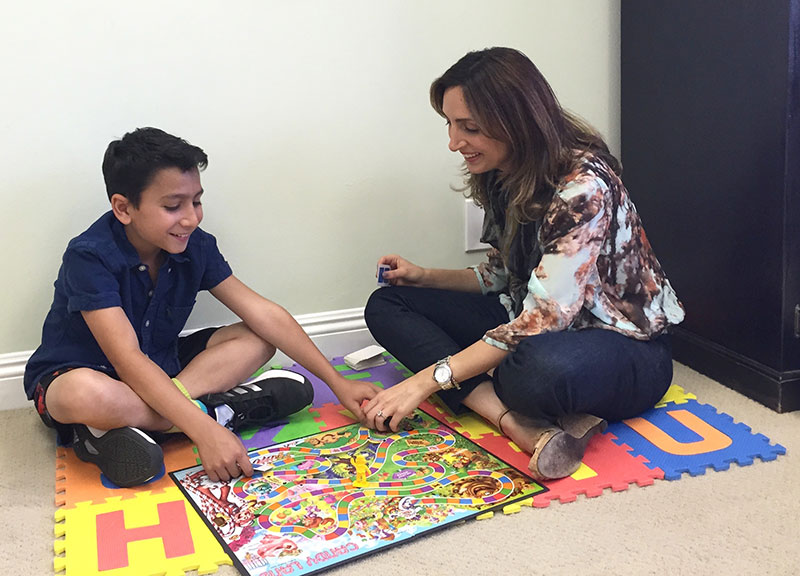
The individualized sessions are designed to serve each client’s particular needs and goals. At the end of each session, you receive an update and, in many cases, home practice suggestions. Please note that consistent attendance and actively implementing practices at home are critical parts of the therapeutic process. Parents are encouraged to be involved, and updates are provided by phone to those unable to attend the sessions.
Some treatment methods we utilize include:
– Prompt techniques to improve oral motor planning and verbal output
– Kaufman approach to Apraxia verbal output
– Talktools: muscle-based oral motor programs to promote speech and improve oral motor
– DIR/Floortime: Developmental, Individual Difference, Relationship-Based Social Skills Programs
Please note: The approaches mentioned above are only examples of the techniques used. In some cases, these approaches may not be appropriate, and techniques not mentioned here will be recommended.